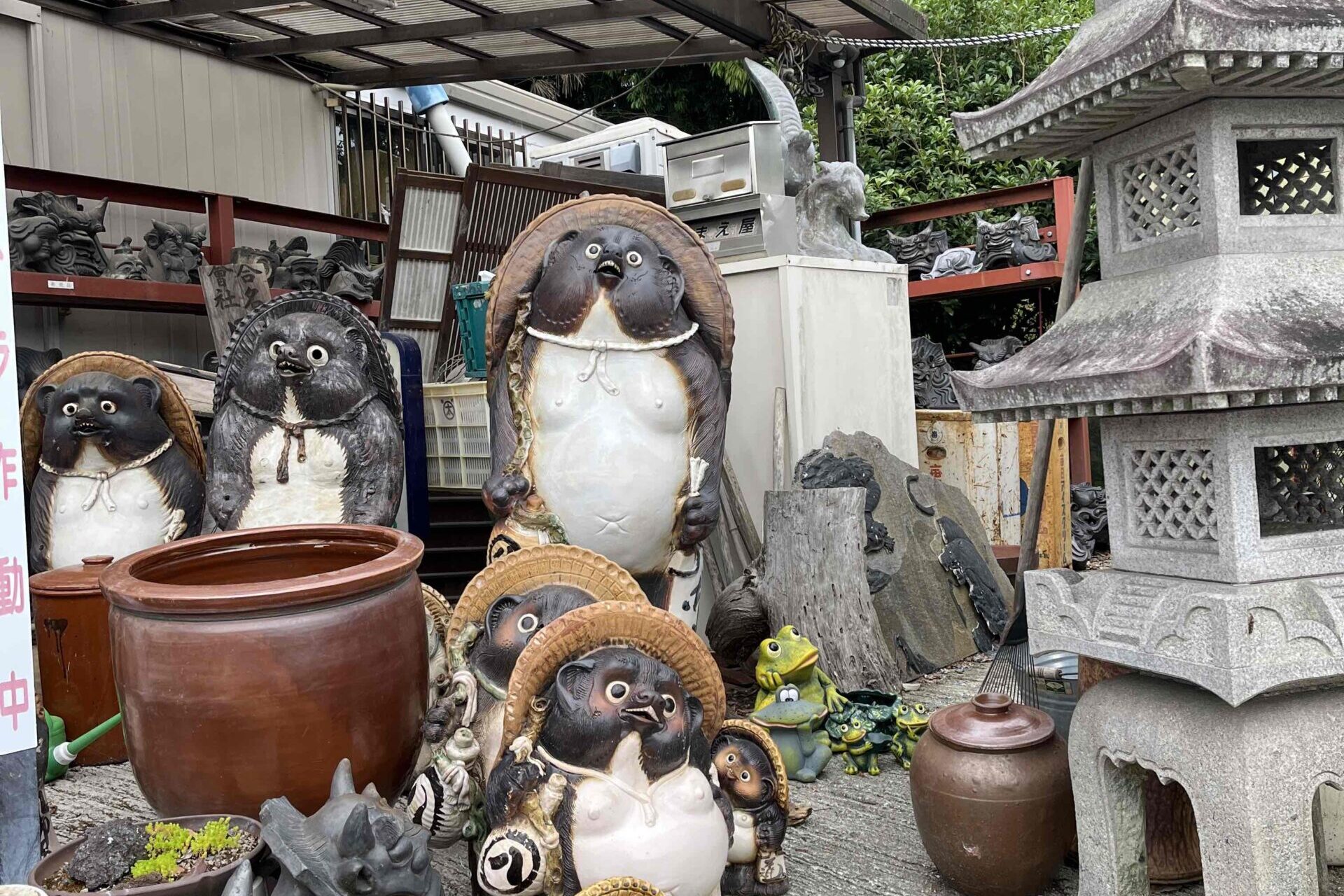
Japanese culture is rich with folklore, there are many symbols and stories that have deep meaning to their culture. One popular tale is the Tanuki. The Tanuki is a mysterious raccoon dog that is seen in statues all over Japan. They are reputedly mischievous and happy, masters of disguise and shapeshifting. While the tanuki is based off of a real animal, the stories to go along are that of legend. These animals have been known to be pranksters, and often deceive humans in humorous ways. They shapeshift, have been known to tease fishermen and farmers, and often play practical jokes in peoples homes.
Many Japanese people see the tanuki as a sign of luck, because of the meaning of the words’ characters. Ta「他」-other things and nuki-「抜き」-to omit- which can be understood as abandoning all else and leaving only the good things.
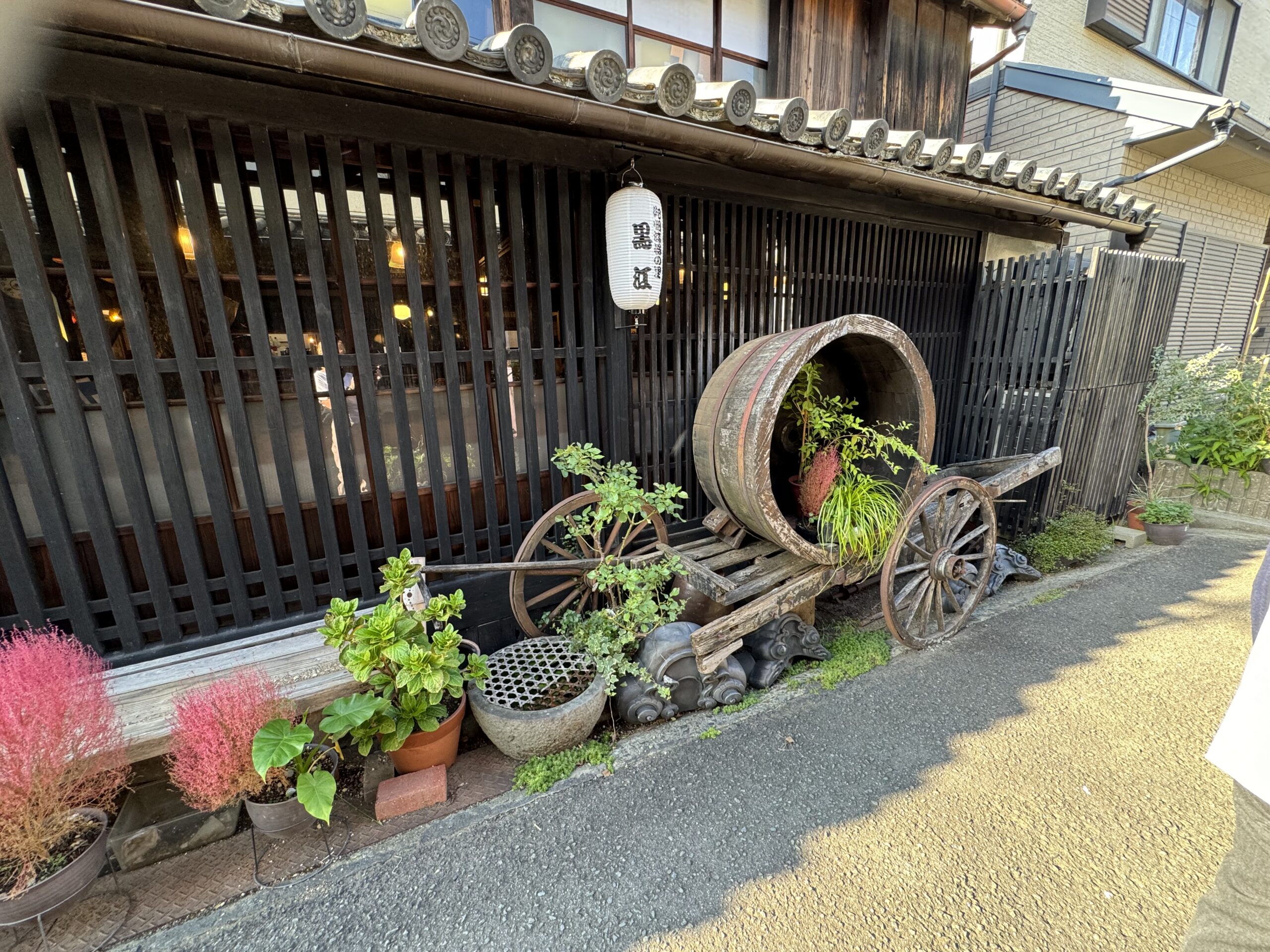
You’ll find statues depicting these creatures around Japan. It is said that they bring eight traits of good fortune. Including a smiling face, to represent being kind to others, big eyes to help you stay aware and make good decisions, and a belly drum, to ensure a steady, responsible, and calm attitude when making decisions. Take a look and see if you can find a Tanuki statue when visiting Japan outside a shop or family home.
Japan is famous for green tea and what better way to learn more than to visit farms and traditional tea roasting and matcha making locations in Kyoto. Learn all about the process, flavours, and history behind the importance of green tea and matcha of Japan, specifically in Uji, Kyoto. Your journey begins as you cycle through the incredible rolling fields, viewing all stages of the different teas and their shading. Stop by and connect with people who have made this craft their life’s work. It’s an incredibly scenic and informational experience, one fit for a bucket list.
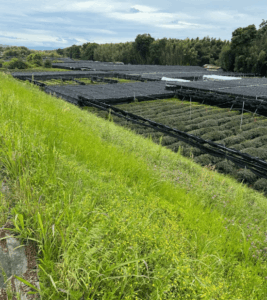
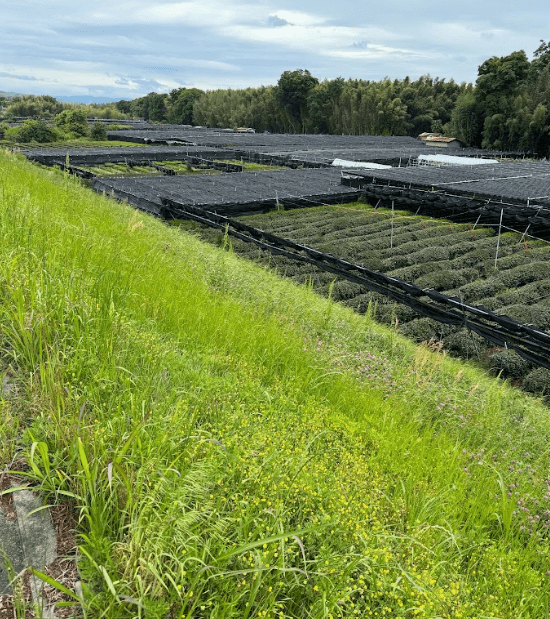
One unique feature you’ll notice when cycling past tea fields is the large black coverings or tea shading. Originally, in the winter months in Uji, Kyoto, tea farmers in the 15th-16th century realized the cold wind harmed the tea plants. To combat this, they started what is known as tea shading. Tea shading, also known as Kabuse, is done when new sprouts appear in the soil, to change the taste and appearance of the tea, resulting in a more umami, and less bitter flavour profile– which is how matcha was accidentally discovered! When speaking about tea shading, that process is what sets matcha versus green tea apart. Green tea is typically shaded for 2 to 3 weeks, resulting in a slightly more bitter taste compared to matcha. Matcha on the other hand, is shaded for longer– about 4 weeks. This creates “stress” for the plants, and they store their natural sugars and chlorophyll, which results in that iconically sweet-umami flavour matcha is known for, health benefits– and the bright green colour that is portrayed all over in matcha-based confectionaries.
Now that we have the history in our pocket, we are able to enjoy the wide variety of green tea and matcha flavored treats sprinkled all over Japan including Uji. If you would like to further your knowledge and tasting experience on the world famous tea, there are a a few local spots in Uji to keep in mind.
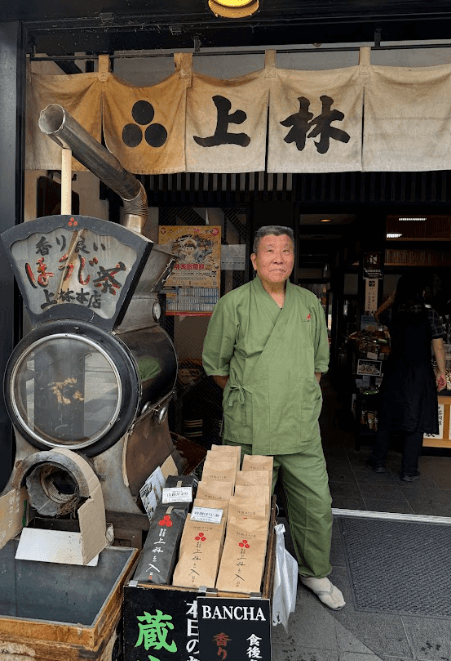
Visit Mitsuboshien-Kanbayashisannyu-Honten, a tea house that is run by a 16th generation proprietor, and everyone there is incredibly passionate about their craft. This experience will broaden your knowledge -and taste buds- to the history behind Uji’s tea harvesting.
Another informative and tasty location is Itoh Kyuemon. They have several branches found within the area of Uji, accessible by both bike and train. You can find a matcha curry udon, matcha ice cream, and even a matcha themed dessert plate to satisfy anyone’s sweet tooth. Namakura Tokichi is another stop to add to your trip. Known for their Matcha Maruto Parfait, which you can only get there. It is served in a bamboo container, which is perfect for pictures sent home. It is made with white chocolate, raspberry chocolate cream and a smooth matcha jelly– unlike anything you will find anywhere else. These confectionaries are typically available from October to May, as that is when harvesting is most prevalent. So let the joy of cycling fuel your travels, and be sure to visit to learn all about Japan’s tea culture
The Osaka World Expo is on until October 13, 2025. Discover the world and the future in a day.
The World Exposition or Banpaku in Japanese is held every five years in a different country around the world. It began in 1851 in London, with the purpose to share the latest in culture, economy and technology between nations. This year it is taking place in Osaka, Japan. This is the second time that Osaka has hosted the world event, the last time was in 1970. This year the theme is “Designing Future society for our Lives”. This theme allows for a broad range of interpretations by the 150 participating nations providing something for everyone.
The world’s largest wooden architectural structure was built for this Expo. A wooden ring around the grounds that is 2,025 meters in circumference, 30 meters in width and ranges from 12 to 20meters high. You can walk on the upper deck, providing a great view of the grounds below. This structure took over a year to construct.
The rest of the grounds are filled with pavilions from around the world. The incorporation of nature, culture and technology is intertwined into each pavilion and is an experience for the senses. There are also common areas that house multiple smaller nations, offering information about the country and various experiences for visitors.
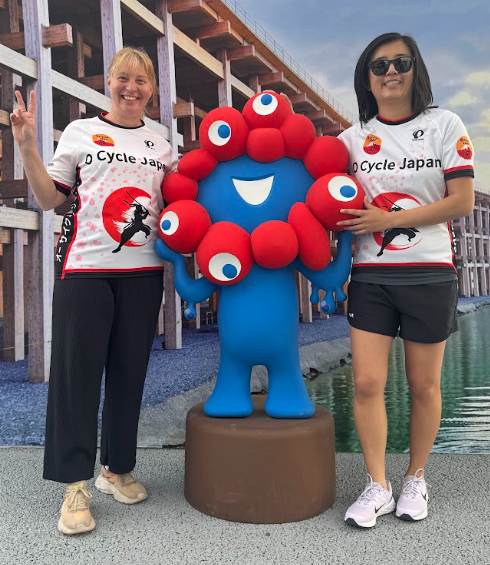
There are free water fill stations, as well as vending machines for refreshments. Bring a small hand towel to dry your hands after washing at the toilets, no hand dryers or paper towels are provided, as is common in Japan. There are many food venues found within the grounds or you can bring in your own snacks and food. Wear comfortable walking shoes it is a huge facility and there is so much to see, especially if you have various reservations and need to move from one end to another. Consider the evening light shows when applying for reservations for some of the venues. Try to get a place on the upper ring to watch the final light show. Be sure to say hi to Myaku-Myaku the official mascot of 2025 Osaka Expo.
The Osaka Expo will run from April 13 to October 13, 2025. You can get a full day, evening ticket or if you are staying longer summer or season passes are available. Once you have your ticket and the day you will attend you can apply for entrance times into specific popular venues by a lottery. Many offer walk-in traffic, these can have long wait times. https://www.expo2025.or.jp/en/
Myaku-Myaku the mascot of Osaka Expo2025
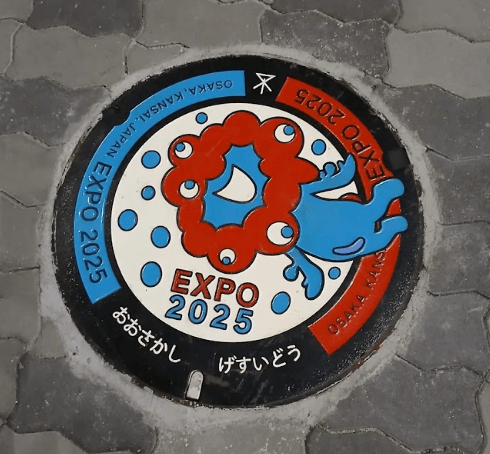
Created by Kohei Yamashita a children’s book illustrator. Myaku means ‘pulse’ and by repeating the word it refers to the continuation of life. The blue body represents water and its shape is fluid. The ring of red ‘cells’ some with eyes surrounds the water. Images and the physical mascot can be found everywhere in the grounds.