
At O Cycle Japan, we get asked constantly: “When’s the best time to book a cycling tour through Kansai?” The honest answer is that we’ve built our entire tour calendar around it — we only run trips in spring and fall, and once you see the numbers, you’ll understand why. See other FAQ here FAQ LINK
Kansai’s climate swings hard between two extremes: a hot, soaking-wet summer and a cold, dry winter. Neither is much fun on a bike. Spring and fall sit in the sweet spot between them, and each brings its own kind of magic to the region’s back roads, rice paddies, temple towns, and coastal trails.
The Numbers: Four Seasons Compared
| Season | Avg. High Temp | Monthly Rainfall | Feel on the Bike |
| Spring (Mar–May) | 14°C → 24°C (57°F → 75°F) | ~80–120 mm | Cool mornings, mild afternoons, low humidity |
| Summer (Jun–Aug) | 28°C → 34°C (82°F → 93°F) | 150–210 mm, peak rainy season | Hot, humid, monsoon downpours |
| Fall (Sep–Nov) | 26°C → 14.5°C (79°F → 58°F) | 30–90 mm, tapering off | Crisp air, comfortable riding all day |
| Winter (Dec–Feb) | 6°C → 11°C (43°F → 52°F) | ~55–70 mm, driest months | Cold, short daylight, occasional snow |
Summer in Kansai isn’t just hot — it’s punishing. Osaka and Kyoto regularly push past 33–34°C and increasing at the height of August, and June brings the tsuyu rainy season, dumping over 200mm in a single month. Add in Japan’s notorious summer humidity and you’ve got a recipe for heat exhaustion, not an enjoyable ride.
Winter, on the other hand, is dry but genuinely cold, with short daylight hours limiting how much ground you can cover and how far you can wander off-route to chase a view.
Spring: Warming Up, Not Heating Up
Spring is the season of gradual change, and that’s exactly what makes it ideal for cycling. March starts cool and crisp, and by May you’re riding in comfortable, mild afternoons without a hint of summer’s oppressive humidity. Days stretch out longer with each passing week, giving our routes more daylight to work with and more time to linger at a roadside café or hidden shrine.
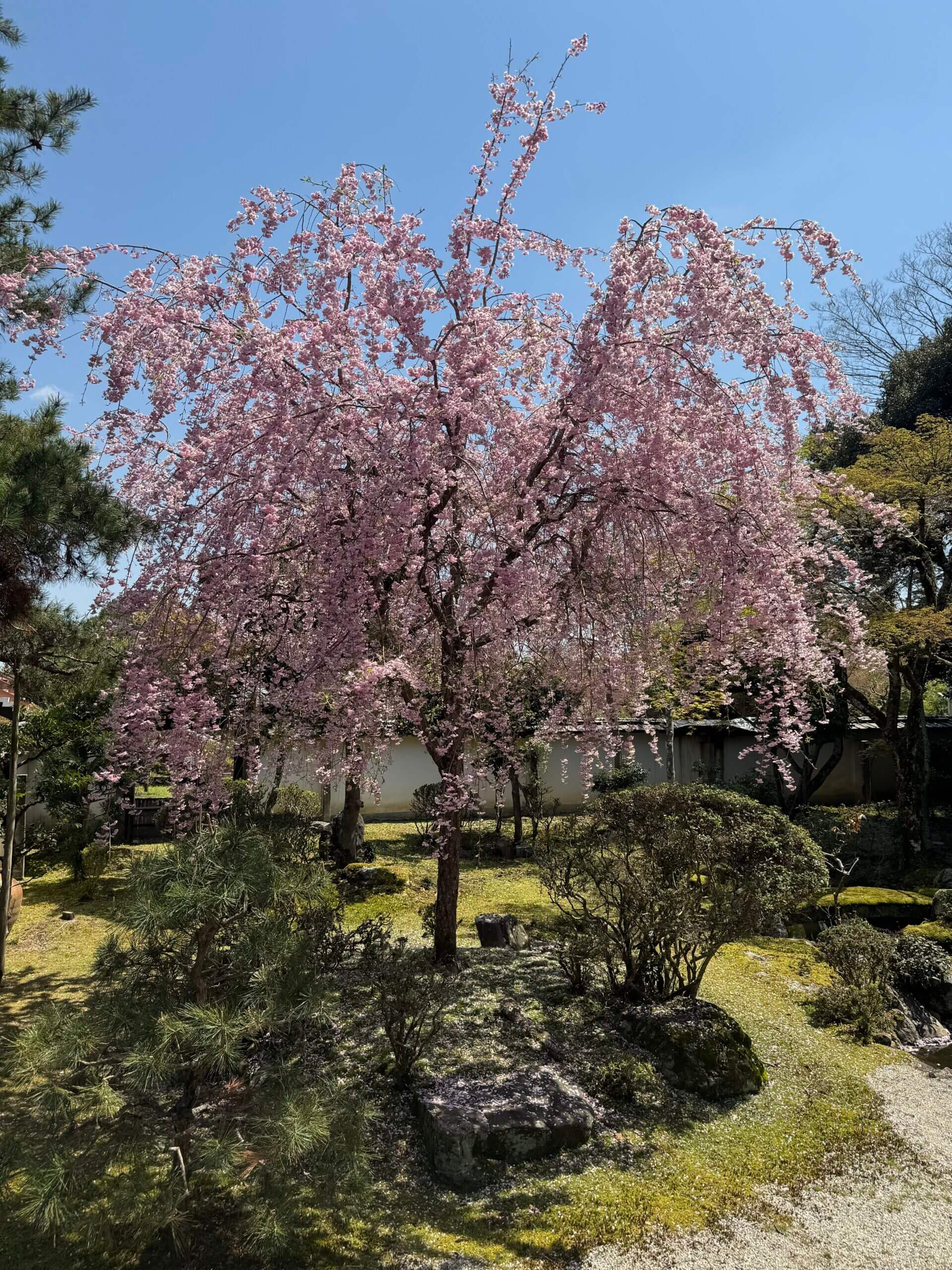
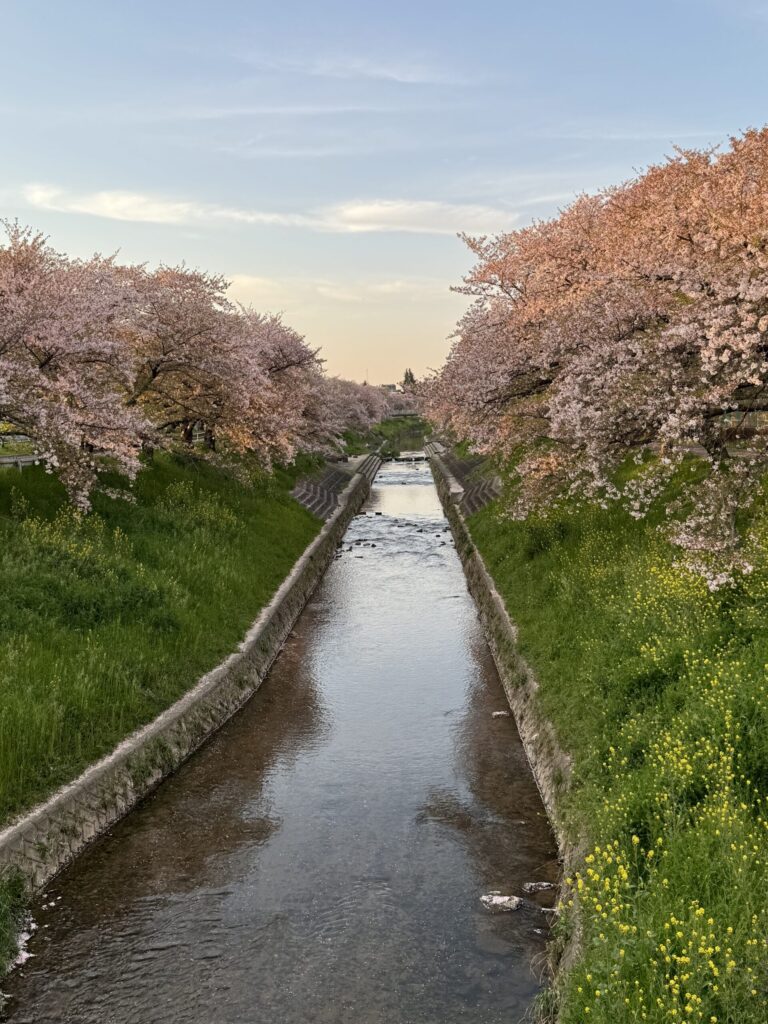
And then there’s the reason most people think of first: cherry blossoms. From late March into early April, the sakura transform Kansai into a pink-and-white spectacle — along the Kamo River in Kyoto, through Osaka Castle Park, and scattered through countless small towns most tourists never see. Cycling lets you experience this in a way walking or bus tours simply can’t: you can chase the bloom from valley to valley, riding beneath tunnels of blossoms on quiet backroads while everyone else queues for photos in the city center.
Fall: Harvest Season and Perfect Riding Weather
If spring is about renewal, fall is about abundance. By late September, the punishing summer heat has broken, and temperatures settle into what might be the most comfortable cycling conditions Kansai offers all year — mild, dry, and consistent. Rainfall drops off sharply after the September typhoon risk passes, giving way to some of the clearest, calmest weeks of the year.
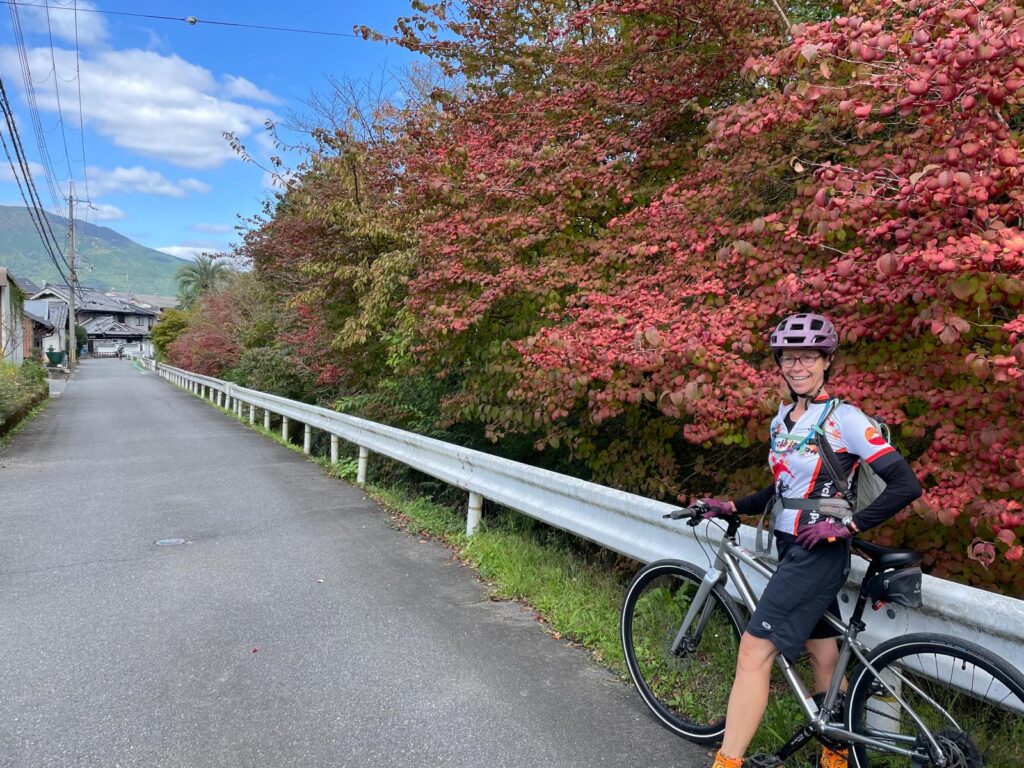
This is also rice harvest season. Across the Kansai countryside, golden paddies are being cut and bundled, farmers are out working the fields, and rural villages come alive with the smell of drying rice straw and the sound of harvest festivals. Riding through this landscape in October and November means passing terraced fields turning from green to gold, with the added bonus of autumn foliage building toward its peak — maples blazing red at temples like Tofuku-ji, framed by perfect, cool-weather riding conditions.
The Takeaway
Spring and fall aren’t just convenient scheduling choices for O Cycle Japan — they’re when Kansai is genuinely at its best on two wheels. Comfortable temperatures, manageable rainfall, and a landscape either bursting into bloom or ripening into harvest make these the only seasons we’re willing to put our name behind.
Ready to ride through the blossoms or the harvest? Check our upcoming spring and fall tour dates and come see Kansai the way it’s meant to be seen — from the saddle.