Japan is a great place to discover on a bike. If you are bringing your bike, packing for a Japan cycling trip takes a little extra planning. There are great shops throughout Japan that rent bikes, but if you want to bring your own here are a few things you need to know.
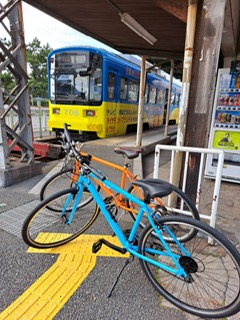
First, there are a few trains in Japan that allow bikes to roll on but these are few and far between. Get familiar with the rinko bag – Japanese trains require your bike to be fully covered, wheels off, before it can ride alongside you, so a rinko bag is a must for almost any train journey, including the Shinkansen.
Second, if you’re shipping your bike ahead via a courier like Yamato’s TA-Q-BIN, double-check their size and weight restrictions (generally around 160cm combined dimensions and 30kg), since oversized or overweight boxes can be refused or cost extra. You may need to book private transfers for you and your bike boxes if they are oversized.
Cycling Rinku town
Third, remember that not every airport lets you simply hop on your bike and ride away — Kansai International Airport (KIX), for example, sits on an artificial island connected to the mainland only by a bridge that’s off-limits to pedestrians and cyclists. You’ll need to take the train or a shuttle to the mainland before you start pedaling.
Finally, always confirm your airline’s own bike box policies before you fly, as they can vary even more than the domestic transport rules. A bit of prep before means smoother rides once you land!
At O Cycle Japan, we get asked constantly: “When’s the best time to book a cycling tour through Kansai?” The honest answer is that we’ve built our entire tour calendar around it — we only run trips in spring and fall, and once you see the numbers, you’ll understand why. See other FAQ here FAQ LINK
Kansai’s climate swings hard between two extremes: a hot, soaking-wet summer and a cold, dry winter. Neither is much fun on a bike. Spring and fall sit in the sweet spot between them, and each brings its own kind of magic to the region’s back roads, rice paddies, temple towns, and coastal trails.
The Numbers: Four Seasons Compared
Season
Avg. High Temp
Monthly Rainfall
Feel on the Bike
Spring (Mar–May)
14°C → 24°C (57°F → 75°F)
~80–120 mm
Cool mornings, mild afternoons, low humidity
Summer (Jun–Aug)
28°C → 34°C (82°F → 93°F)
150–210 mm, peak rainy season
Hot, humid, monsoon downpours
Fall (Sep–Nov)
26°C → 14.5°C (79°F → 58°F)
30–90 mm, tapering off
Crisp air, comfortable riding all day
Winter (Dec–Feb)
6°C → 11°C (43°F → 52°F)
~55–70 mm, driest months
Cold, short daylight, occasional snow
Summer in Kansai isn’t just hot — it’s punishing. Osaka and Kyoto regularly push past 33–34°C and increasing at the height of August, and June brings the tsuyu rainy season, dumping over 200mm in a single month. Add in Japan’s notorious summer humidity and you’ve got a recipe for heat exhaustion, not an enjoyable ride.
Winter, on the other hand, is dry but genuinely cold, with short daylight hours limiting how much ground you can cover and how far you can wander off-route to chase a view.
Spring: Warming Up, Not Heating Up
Spring is the season of gradual change, and that’s exactly what makes it ideal for cycling. March starts cool and crisp, and by May you’re riding in comfortable, mild afternoons without a hint of summer’s oppressive humidity. Days stretch out longer with each passing week, giving our routes more daylight to work with and more time to linger at a roadside café or hidden shrine.
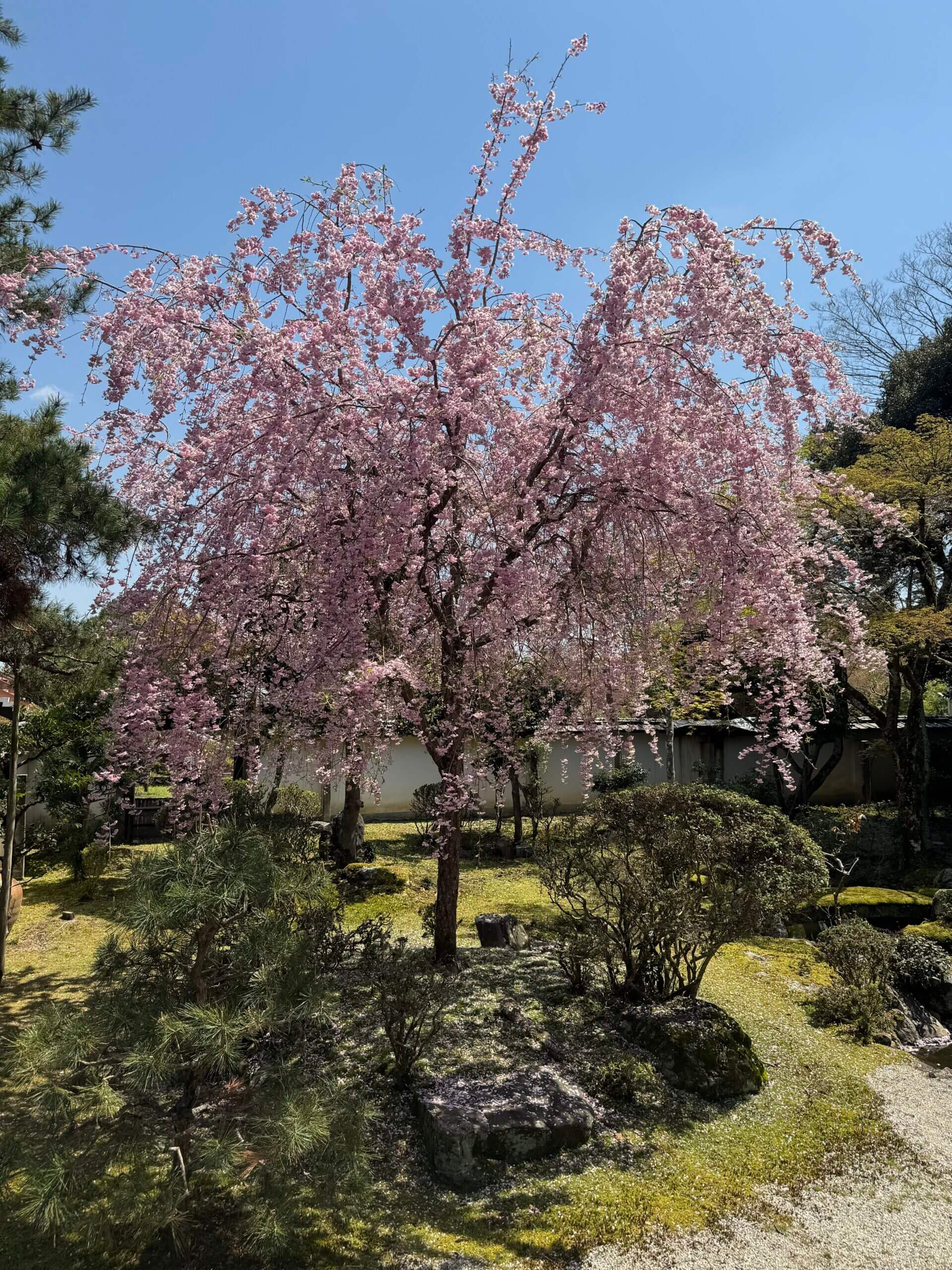
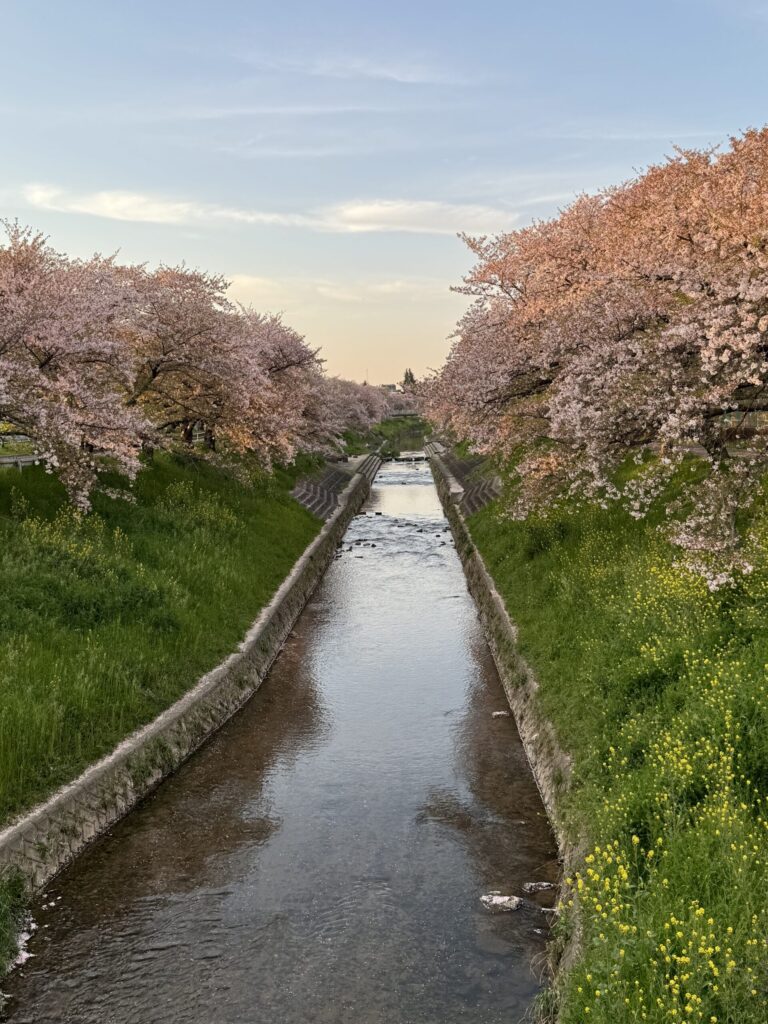
And then there’s the reason most people think of first: cherry blossoms. From late March into early April, the sakura transform Kansai into a pink-and-white spectacle — along the Kamo River in Kyoto, through Osaka Castle Park, and scattered through countless small towns most tourists never see. Cycling lets you experience this in a way walking or bus tours simply can’t: you can chase the bloom from valley to valley, riding beneath tunnels of blossoms on quiet backroads while everyone else queues for photos in the city center.
Fall: Harvest Season and Perfect Riding Weather
If spring is about renewal, fall is about abundance. By late September, the punishing summer heat has broken, and temperatures settle into what might be the most comfortable cycling conditions Kansai offers all year — mild, dry, and consistent. Rainfall drops off sharply after the September typhoon risk passes, giving way to some of the clearest, calmest weeks of the year.
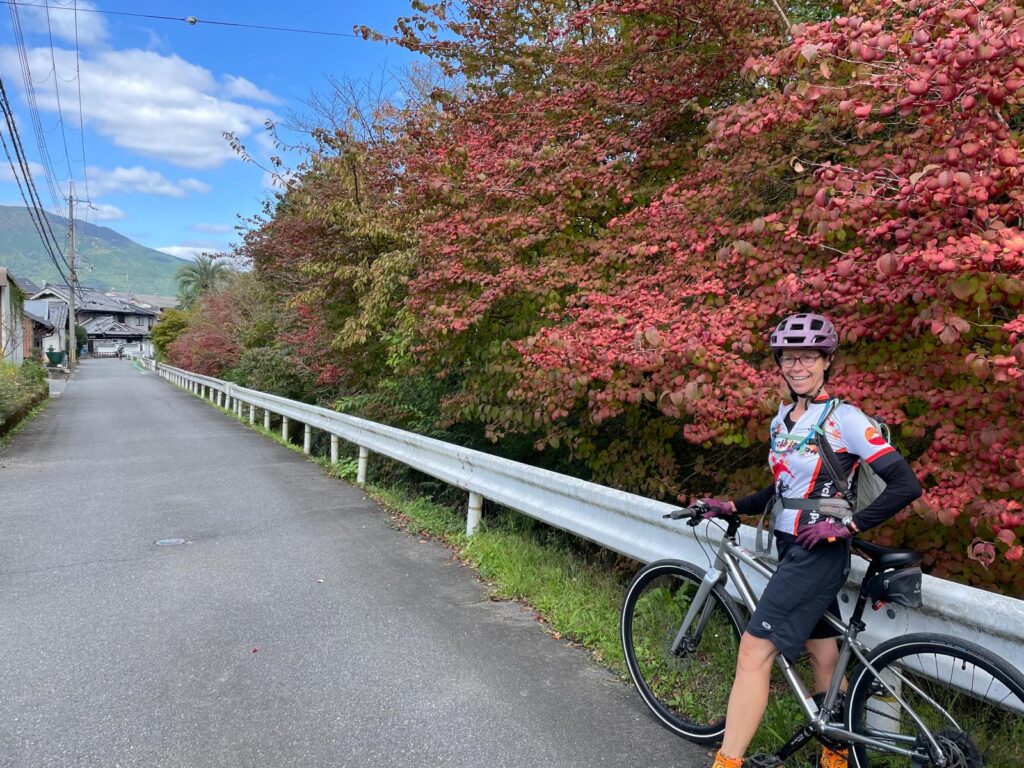
This is also rice harvest season. Across the Kansai countryside, golden paddies are being cut and bundled, farmers are out working the fields, and rural villages come alive with the smell of drying rice straw and the sound of harvest festivals. Riding through this landscape in October and November means passing terraced fields turning from green to gold, with the added bonus of autumn foliage building toward its peak — maples blazing red at temples like Tofuku-ji, framed by perfect, cool-weather riding conditions.
The Takeaway
Spring and fall aren’t just convenient scheduling choices for O Cycle Japan — they’re when Kansai is genuinely at its best on two wheels. Comfortable temperatures, manageable rainfall, and a landscape either bursting into bloom or ripening into harvest make these the only seasons we’re willing to put our name behind.
Ready to ride through the blossoms or the harvest? Check our upcoming spring and fall tour dates and come see Kansai the way it’s meant to be seen — from the saddle.
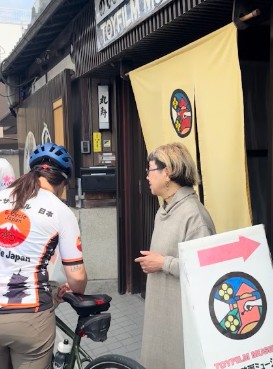
Kyoto is filled with iconic sights from Nijojo Castle to Fushimi Inari-taishi, but there are also so many hidden spots that only those who know get a chance to see.
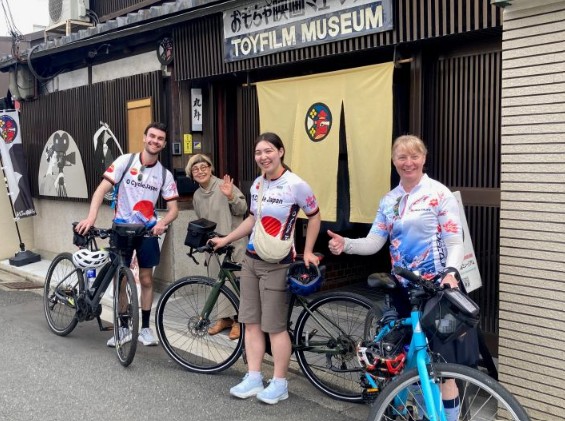
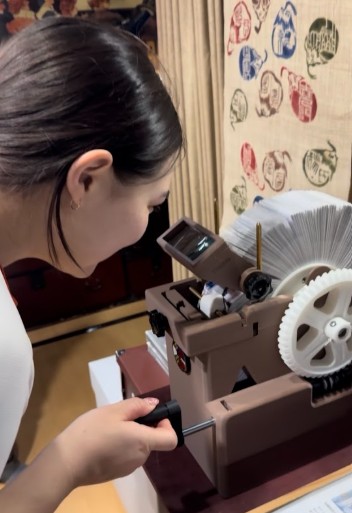
A special place we like to visit is the Toy Film Museum located in a historic home in Japan. This cozy museum will show you how film developed from simple children’s toys. You have to pop in to see how toys became what we know as film. You can even watch a project made at the museum of a silent film based on Japanese fables.
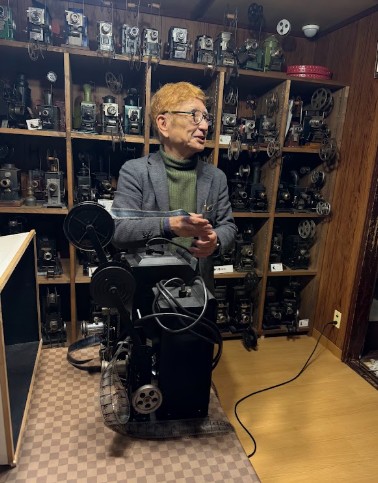
We were delighted to meet the owners and they showed us the film archives all from private collections in Japan. Onea and Fumiya Ota, have done a wonderful job of curating the space with all things film. There is a limited amount of film and cameras remaining in Japan and the museum aims to have a collection so that people worldwide cant visit and enjoy. Visit their website to learn more https://toyfilm-museum.jp/
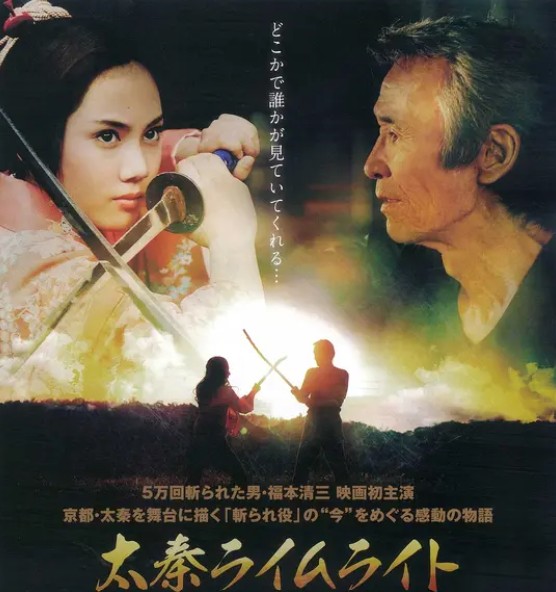
A fun fact that we learned was that Kyoto used to be a hub for film and actors in Japan. Many the original samurai film actors are from Kyoto. Including Seizo Fukumoto who was in the Last Samurai. For more information visit the Instagram post about the museum HERE
Interested in cycling with us to discover more hidden gems like the Toy Film Museum? Book Today!
Rinku Town, Osaka: A Perfect Stop Before or After Your Flight
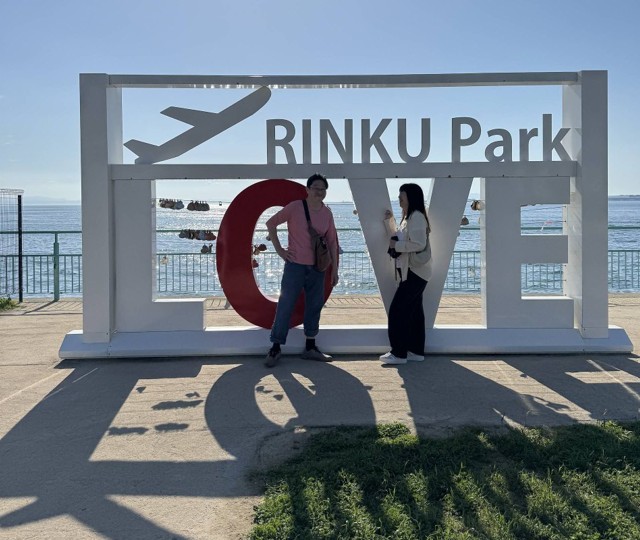
Love Rinku Park
Just one train stop from Kansai International Airport (KIX), Rinku Town is one of the most convenient — and most overlooked — destinations in Osaka. Whether you’re landing late at night, catching an early morning flight, or riding out a long layover, Rinku Town gives you an easy way to step outside the airport bubble and experience a real slice of Japan without losing hours of travel time.
For cyclists finishing (or starting) a multi-day ride through Kansai, Rinku Town is also a natural gateway: flat seaside paths, ocean views, and easy access to Kyoto, Nara, and Osaka make it a favorite endpoint for our Kansai cycling tours.
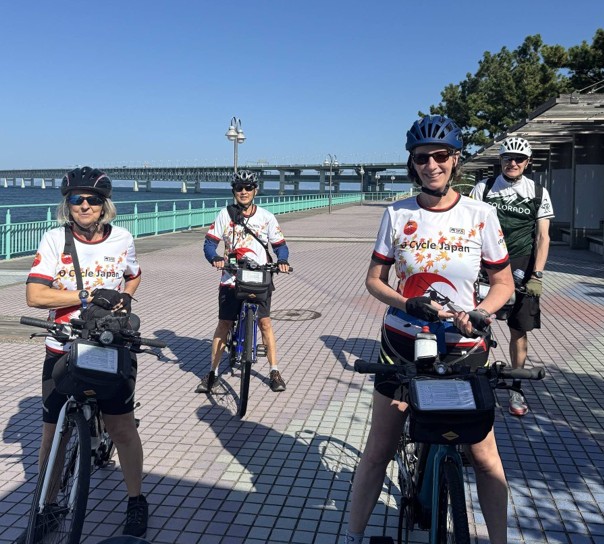
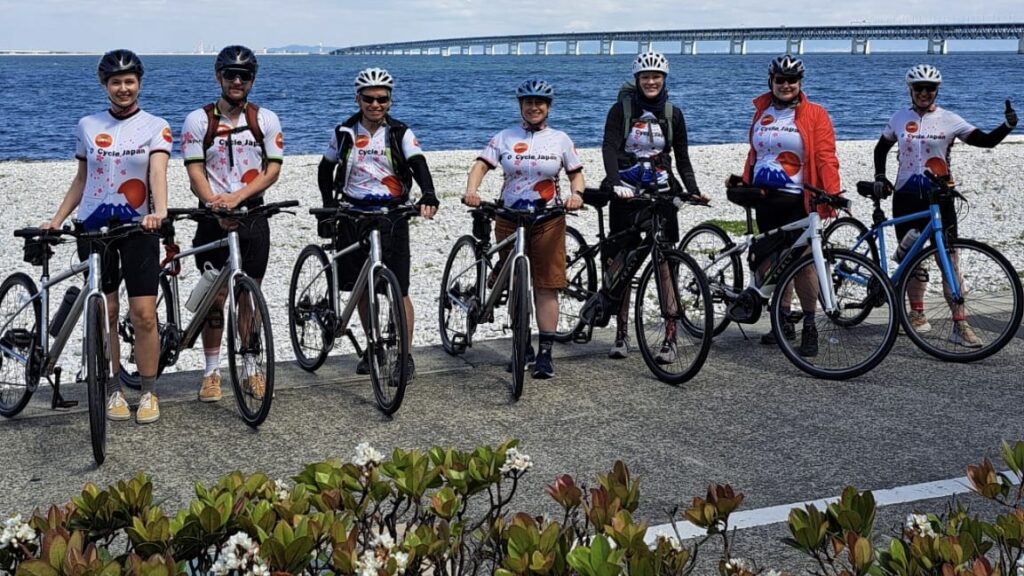
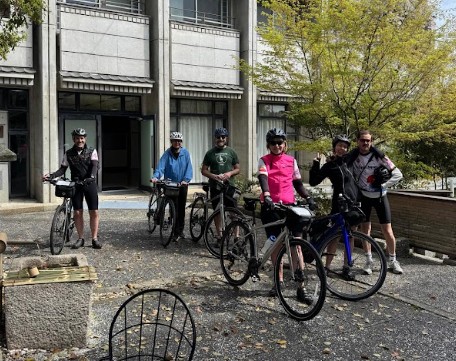
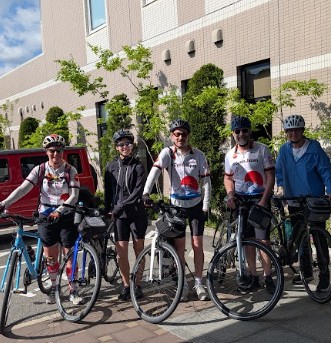
Cyclists in Rinku Town, Osaka, Japan
Where Is Rinku Town Located?
Rinku Town sits directly across the bay from Kansai International Airport, connected by a short bridge and just a five-minute ride on the JR or Nankai lines. It’s the first stop when leaving the airport and the last stop before arriving, which makes it one of the easiest side trips in the entire Kansai region — no long transfers, no wasted time.
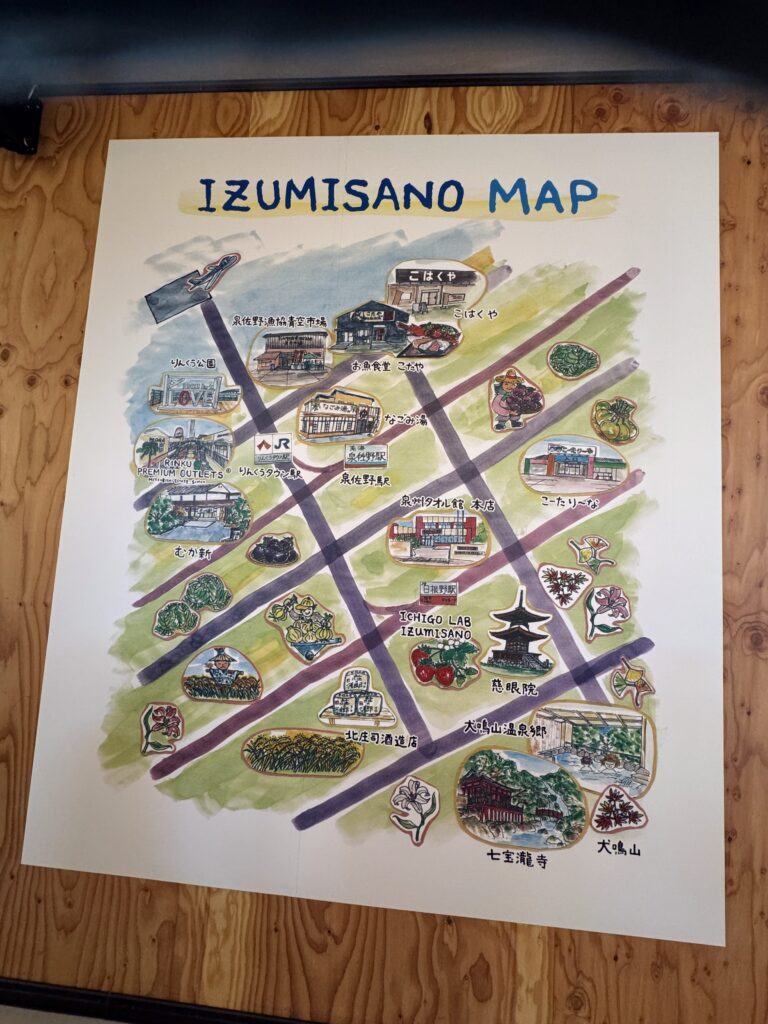
Built on reclaimed land and opened in 1996 as an international hub to support the newly built airport, Rinku Town now spans roughly 320 hectares across three municipalities — Izumisano City, Tajiri Town, and Sennan City. That’s a lot of ground for such a small footprint on the map, and it’s part of why the area feels more like a real town than an airport annex.
How to Get to Rinku Town from Kansai Airport
Getting to Rinku Town could not be simpler:
By train: Both the JR Kansai Airport Line and the Nankai Airport Line connect Kansai Airport Station directly to Rinku Town Station in about 6 minutes, with trains running roughly every 10–15 minutes throughout the day. A one-way ticket costs around ¥300 (about $2–4 USD).
By taxi: A taxi across the Airport Access Bridge takes about 7–9 minutes.
Because the train ride is so short, Rinku Town works just as well for a two-hour layover as it does for an overnight stay before an early flight.
More Reasons to Stop in Rinku Town
Beyond the Ferris wheel, promenade, outlets, and sumo show, a couple of smaller stops round out a visit nicely:
Tennen Onsen Rinkunoyu: A natural hot spring bath a short walk from Rinku Town Station — a genuinely relaxing way to soak away travel fatigue before a long-haul flight. https://rinkunoyu.jp/
AEON Mall Rinku Sennan: If the outlets don’t have what you’re after, this mall nearby has 160+ additional stores covering food, fashion, and household goods.
Top Things to Do in Rinku Town
1. Ride the Rinku Town Ferris Wheel
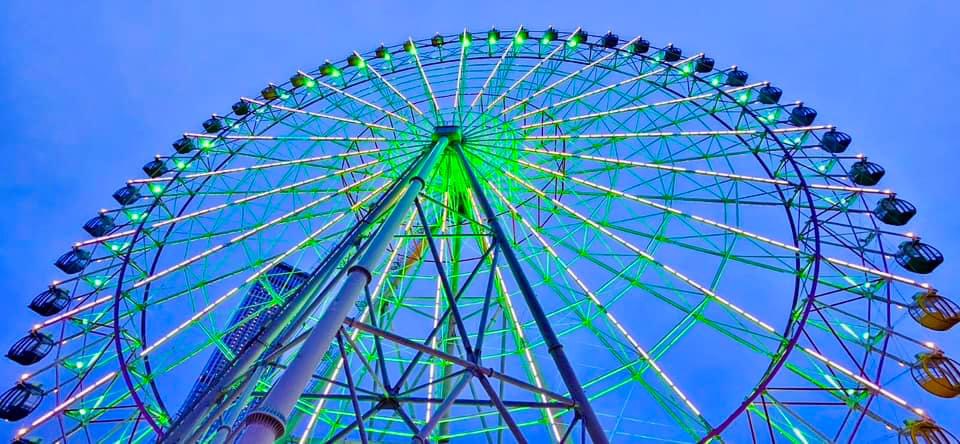
Japan has no shortage of Ferris wheels, and Rinku Town’s is one of the best. A slow, panoramic spin above the bay gives you sweeping views of the ocean, the surrounding mountains, and the city skyline — a relaxing way to unwind before a long flight or shake off jet lag after landing.
Ferris Wheel, Rinku Town, Japan
2. Walk or Cycle the Seaside Promenade
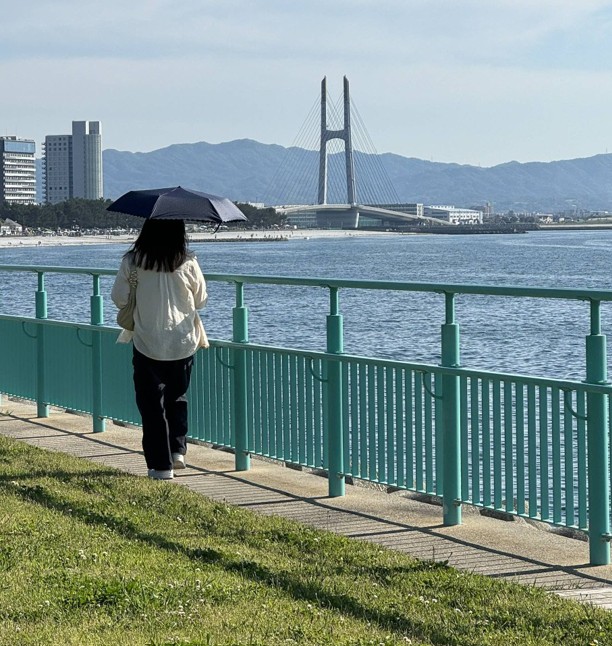
The wide, waterfront promenade along Rinku Town’s coastline is ideal for stretching your legs — or, if you’re touring with us, finishing a ride in style. Follow the path down to the white pebble beach, or rent a paddleboard and get out on the water for a completely different view of the airport skyline.
Walk in Rinku Town
3. Shop at Rinku Premium Outlets
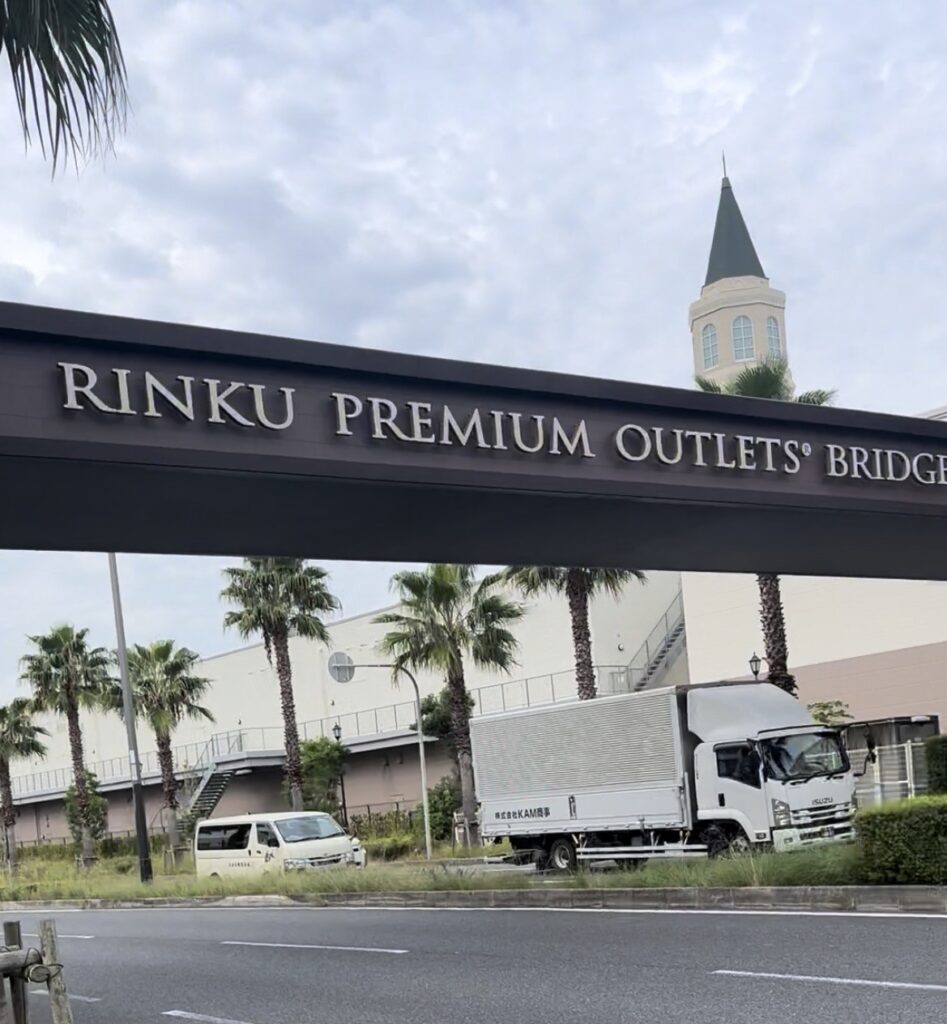
Need last-minute souvenirs? The Rinku Premium Outlets offer a wide mix of local artisan shops and international brands, including a dedicated Kit Kat store — a favorite stop for Japan’s famously creative Kit Kat flavors. For something more practical, Trial, a discount grocery store nearby, is a great spot to pick up snacks, drinks, or a bottle of sake to bring home.
Rinku Premium Outlet Mall
4. Catch a Sumo Dinner Show
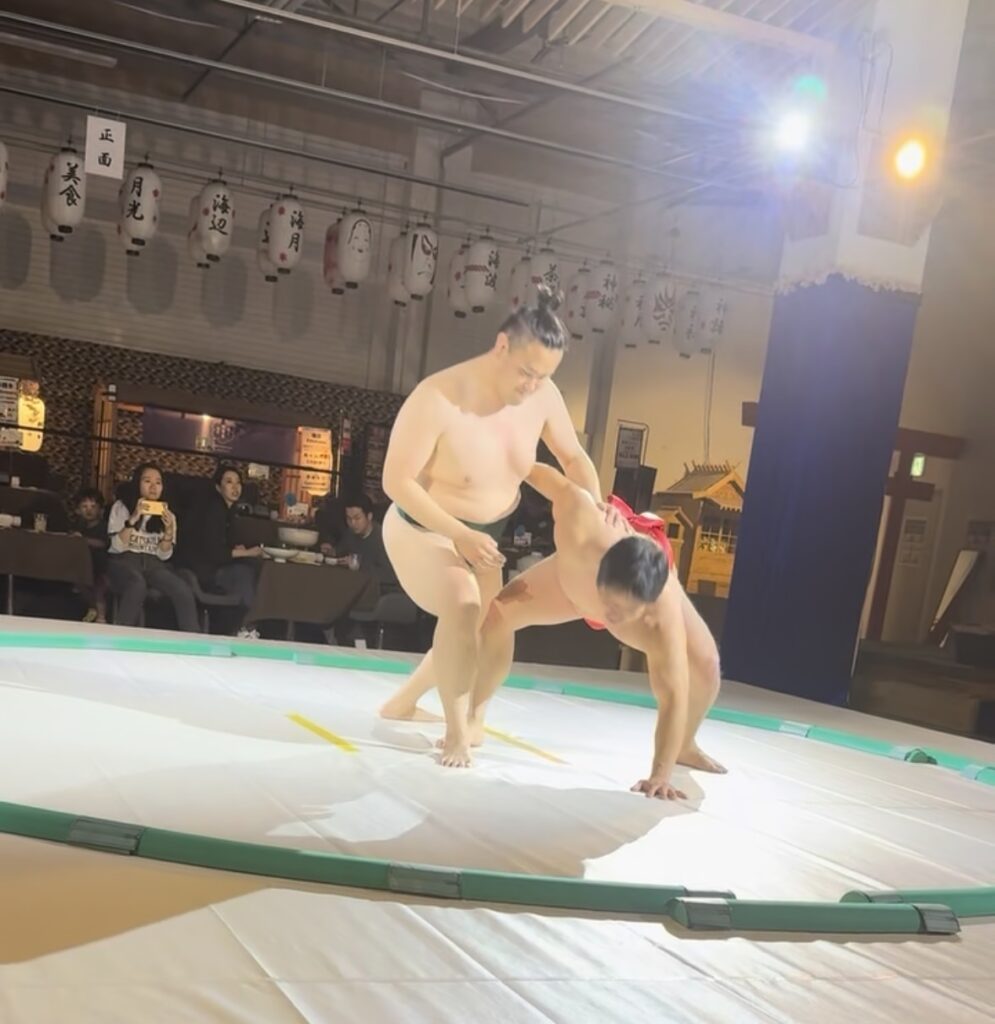
If your visit lands on a weekend, don’t miss the sumo show at Sumo Restaurant Ochi Izumi Stable. Friday and Saturday evenings feature a dinner-and-show combo, giving visitors a rare, up-close look at sumo culture without needing to plan around a tournament schedule in Tokyo or Osaka. https://www.ochiizumi.com/
Sumo Wrestling
Why Rinku Town Is a Great Fit for Cyclists
Rinku Town’s flat coastal roads, wide promenade, and direct link to Kansai Airport make it a natural start or finish line for a cycling trip through the region. Several of our self-guided and guided tours — including our Women’s Cycling Adventure and multi-day Kansai routes — end here, so riders can enjoy a Ferris wheel ride, a stroll along the water, and easy same-day access to their flight home.
Cycling Rinku town
Frequently Asked Questions About Rinku Town
How far is Rinku Town from Kansai Airport? Rinku Town is about 4 miles (6–7 km) from Kansai International Airport, separated only by a bridge across the bay. It’s roughly a 6-minute train ride or a short taxi trip away.
Is Rinku Town worth visiting on a layover? Yes. With a train ride of only about 6 minutes each way, even a 2–3 hour layover leaves enough time to see the Ferris wheel, walk the promenade, and grab a bite or do some shopping before heading back to the airport.
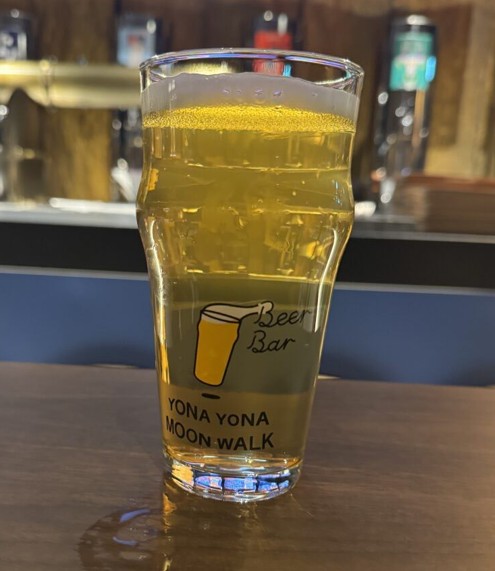
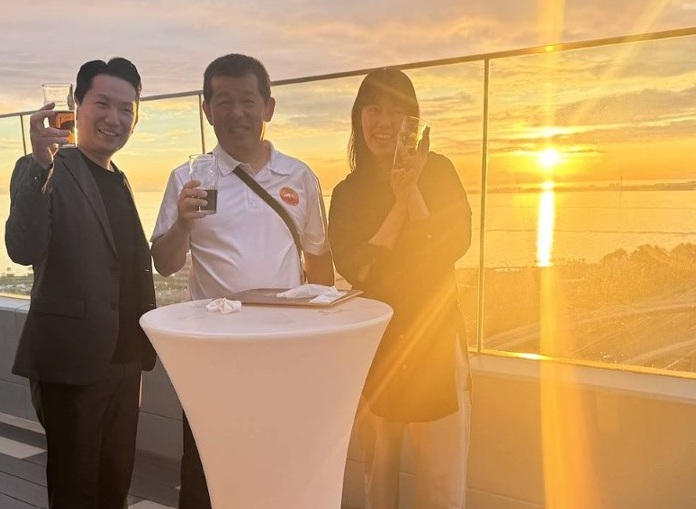
What is there to do in Rinku Town at night? The Ferris wheel and waterfront are lit up in the evening, several restaurants and hotel bars stay open late, and if it’s a Friday or Saturday, the sumo dinner show at Ochi Izumi Stable runs into the evening. Try the rooftop beer bar located in OMO Kansai Airport hotel.
Can you walk or cycle from Kansai Airport to Rinku Town? No— The Sky Gate Bridge R connects the artificial airport island to the mainland, but it is strictly restricted to cars, buses and trains. There are no pedestrian walkways or bicycle lanes on the bridge. If you take a bike on the train it will need to be in a Rinku(bike) bag. There are also taxi and private car options.
Planning Your Trip
Whether you have a two-hour layover or a full day to spare, Rinku Town is one of the easiest and most rewarding places near Kansai Airport to explore. Pair it with a cycling tour through Kyoto, Nara, and Osaka for a full Kansai adventure, or simply use it as a relaxed landing pad on your way in or out of Japan.
Ready to see more of Kansai by bike?Explore our cycling tours and make Rinku Town part of your Japan itinerary.
I found my new favourite place in Japan – Kanazawa. It is often described as little Kyoto. Kanazawa has a special charm that captured my heart. Here is how we spent our time on an overnight trip from Osaka to Kanazawa.
Getting to Kanazawa
We boarded the morning shinkansen (bullet train) from Osaka to Kanazawa. This took under three hours with one train change. We arrived late in the morning to the iconic train station in Kanazawa.
Pick up your E-bike
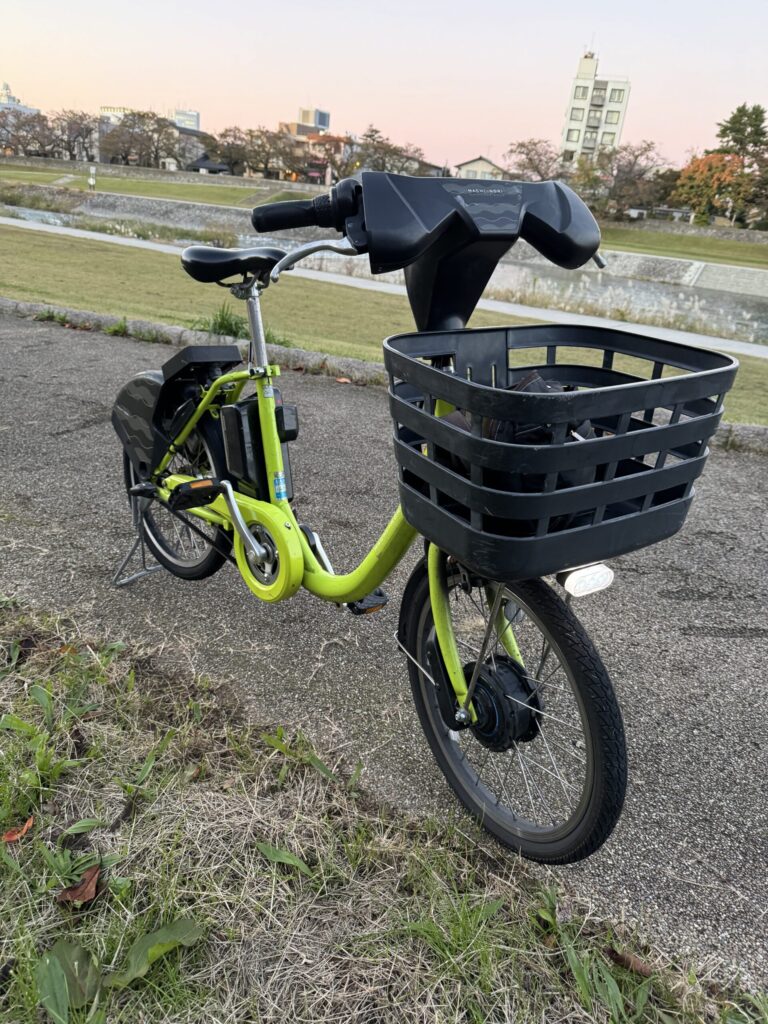
Machi-nori E-bike in Kanazawa
From here we made our way to the e-bike rental shop, machi-nori, a 5 minute walk from the station. https://www.machi-nori.jp/en/ Once we got set up with our E-bikes, dropped our luggage at our hotel.
Where to stay in Kanazawa
The Super Hotel Premium. https://www.superhotel.co.jp/s_hotels/kanazawa/ There are many good hotels near the station. For us it was time for lunch. The nearby street was full of restaurants, so we popped into a small restaurant for a sushi lunch set. It was a perfect way to get us fueled up for a day of exploring.
Things to see in Kanazawa
Sightseeing – Day 1
We visited Nagamachi district, Nish Chaya district and found a sword shop, a teahouse that was open to the public, Nomura Samurai family residence.
We made reservations for the late afternoon to visit the Myoryuji temple, also referred to as the Ninja temple. This was an amazing tour of a Buddhist temple that was also a special place with many secret staircases and hidden escape routes.
There are many Buddhist temples to visit or if you would rather enjoy a coffee, ride along the river path or visit the nearby art museum there is something for everyone.
In the evening we went for sushi. There are so many great places to choose from. After that it was time to enjoy the lights of Kanazawa. We walked from Oyama Jinja Shrine, to Kanazawa castle through Kenrokuen garden. There were many local Izakaya bars near our hotel. We stopped to have a nightcap and a little oden before returning to the hotel for an onsen (Japanese bath).
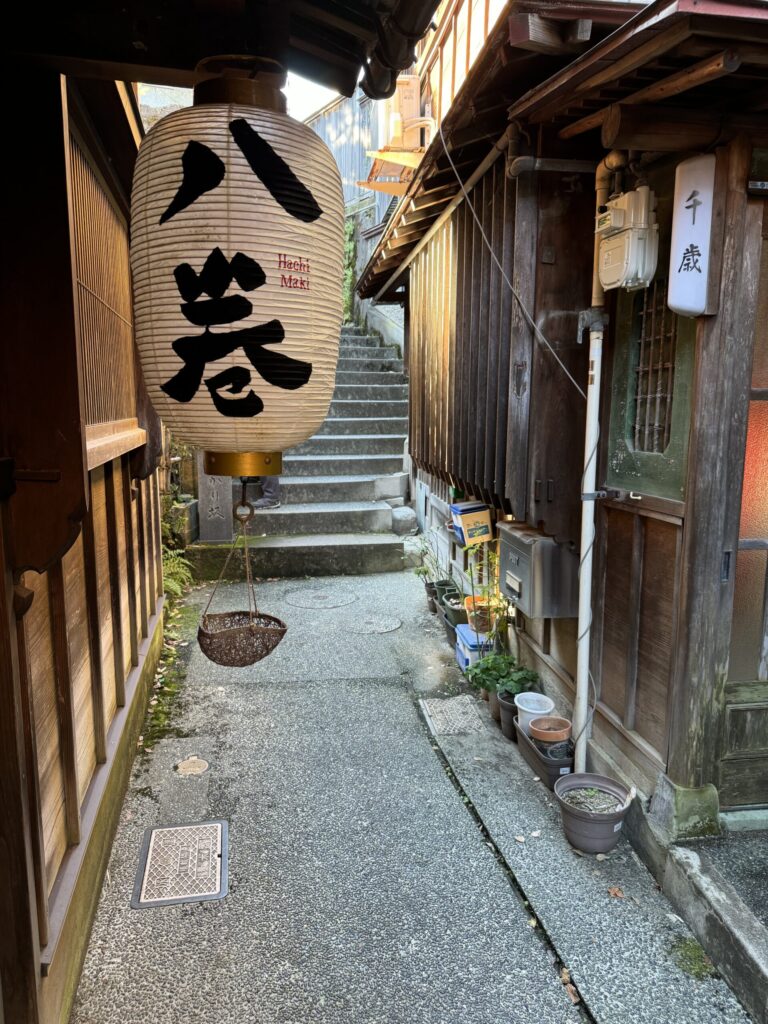
Stairway in Chaya district of Kanazawa
Sightseeing – Day 2
Day two our return train to Osaka was leaving at 5pm so we had time to explore and put our E-bikes to good use. After breakfast at the hotel, we made our way to Higashi Chaya district here we walked around and tried to capture the beautiful streets before the rush. Once the shops opened around 10am we could explore the gift shops including famous gold or sake shops including Sake shop Fukumitsuya Kanazawa.
Next we cycled towards the ocean and the Yamato soy sauce and miso park. The area is an old soy sauce and miso producing area that has a beautiful walkway by the water, you can watch the production, get lunch and local soy sauce to take home. After a brief stop to see the crab shop, where we were amazed at the size and price range of fresh crab that you could purchase to enjoy there.
After all the biking we needed lunch and enjoyed the local Ramen chain from this area 8ban Ramen Kanazawa that is a ramen chain that began in this area.
We made our way back towards the train station to pick up our luggage and drop off our bikes before spending some time exploring Kanazawa station area. This station offers so much excitement and entertainment. As we arrived there was a local show which we enjoyed briefly before making our ways indoors. There are craft locations here if you didn’t get a chance to make your own souvenir and a sake tasting bar in the next-door shopping center. Be sure to pick up a Bento Box from one of the many shops for the train ride back to Osaka or wherever your next desination is.
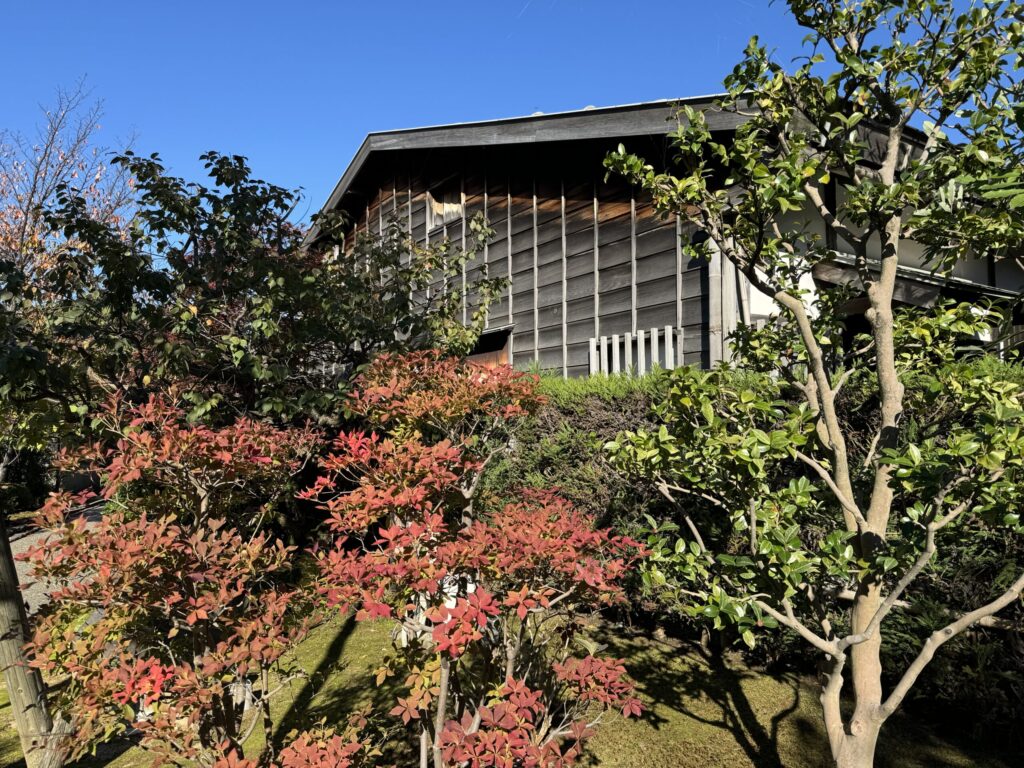
Fall colors in Kanazawa, Japan
So much to see in Kanazawa
As much fun as we had there is so much more to discover, and I can’t wait to visit again! Next time I’d definitely sign up for a show or demonstration from a Geisha, known as a Geiko in Kanazawa, and I’d visit more art museums and galleries. The history of the area can be noticed as the attention to art throughout the city is obvious. It makes me wonder how the historical presence of the Geiko and preservation of this practice of learning art, music and the art of entertainment has influenced the city to the charm it offers in present day.
This is not my first time visiting Japan. I’m half-Japanese, born in Chiba prefecture before moving to Canada in 2003, and I’ve been travelling between the two countries since I was three years old. Still, this trip felt completely different.
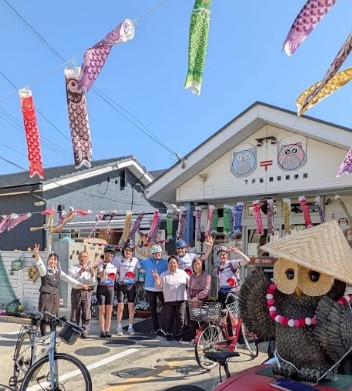
As a novice cyclist, I was admittedly more anxious than excited when I was invited to join O Cycle Japan for a week-long cycling tour as their photographer and content creator. With the longest daily ride reaching roughly 70km, including steep inclines, I knew I had to prepare. A month before departure, I joined a gym and committed to cycling regularly to get myself physically and mentally ready. Fortunately, there was an e-bike option, which I was incredibly grateful for, especially during steep climbs and days with strong headwinds.
What surprised me most was the pacing. I expected long, relentless stretches of endurance cycling, but the tour was thoughtfully broken up with sightseeing stops and spontaneous detours I couldn’t ignore as a photographer. Even in remote areas, convenience stores and vending machines were never far away, allowing plenty of opportunities to recharge, and quickly, my worries disappeared.
Although I’ve visited Japan more times than I can count, most of my trips revolved around Tokyo. This was the first time I truly felt like I was seeing the “real” side of Japan; away from tourists. We began amidst the bustle of Kyoto, Osaka, and Nara, but each day carried us deeper into the countryside, away from the crowds and into places where time seemed to stand still. Cycling through endless farmers’ fields while catching the scent of green onions growing beside the road is something I’ll never forget.
The people felt different too; friendlier and more curious. From polite bows to conversations in Japanese and broken English, it felt like we made new friends everywhere we stopped. At one point, we were even given a private tour of a local campsite in exchange for nothing more than a conversation with a local obachan (grandmother). Moments like that completely dismantled the stereotype that Japanese people are cold or robotic, which is a common narrative I’ve heard about within major cities.
The food was equally memorable. Some of my favourite moments came from spontaneous roadside stops: the freshest strawberries I’ve ever tasted from a tiny greenhouse shack, matcha buckwheat soba in Uji, and smoky skewers from local izakayas after long days of riding. The accommodations also added so much to the experience.
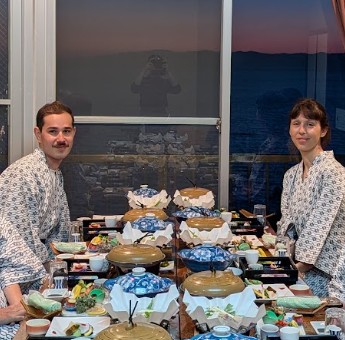
We stayed everywhere from Western-style hotels and ryokans to a hundred-year-old tea house and a centuries-old Buddhist monastery. These weren’t just places to sleep; they were thoughtfully added destinations that deepened our immersion in Japanese culture.
The routes themselves were incredibly well designed. At times, the paths were so tucked away from main roads that only a local could have created routes this intimate and intentional.
As a novice cyclist, I left craving more. Whether you’re an experienced cyclist or simply looking for a unique way to experience Japan, cycling this journey offers unforgettable landscapes, authentic cultural encounters, and a genuine sense of accomplishment that stays with you long after the ride ends.
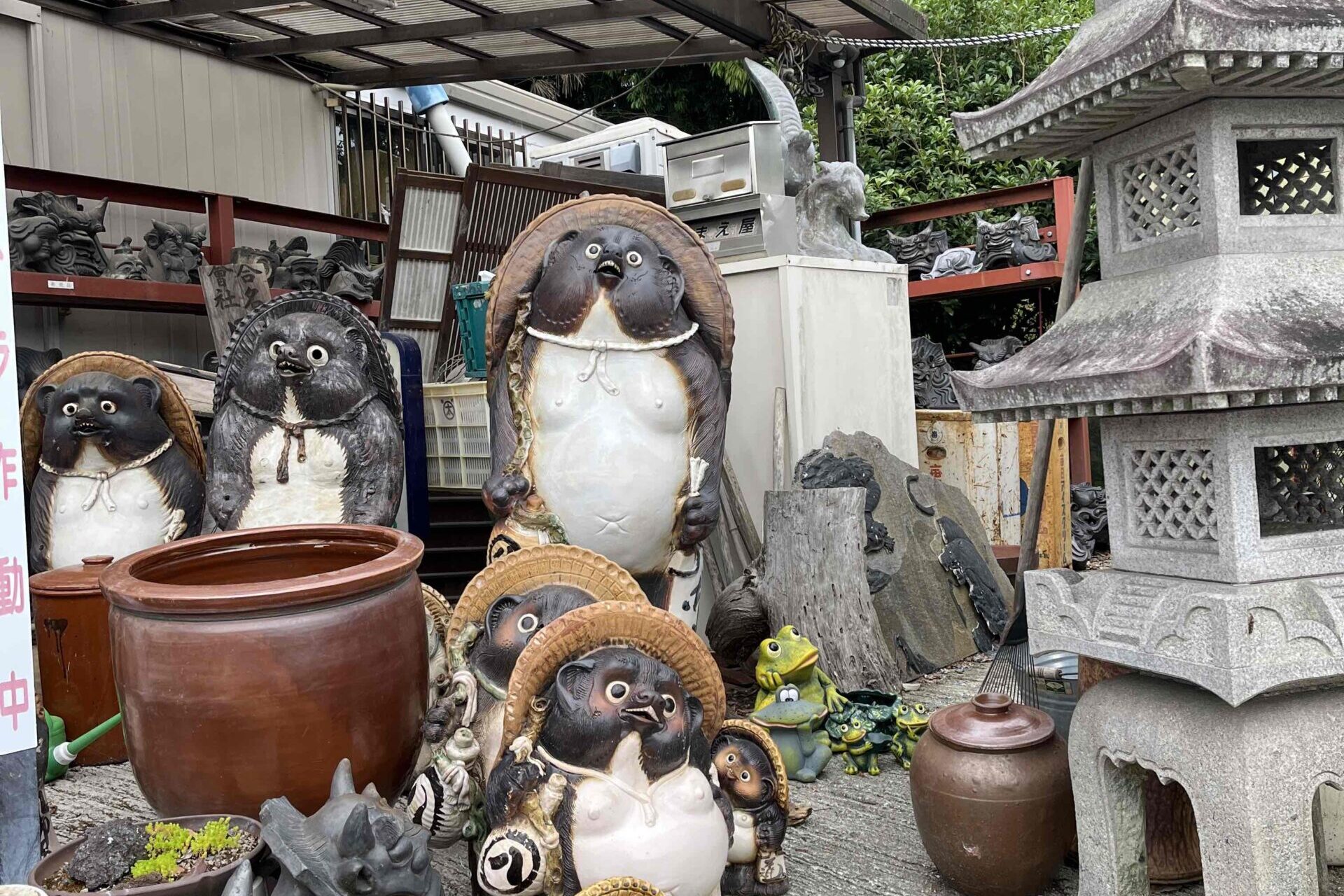
Japanese culture is rich with folklore, there are many symbols and stories that have deep meaning to their culture. One popular tale is the Tanuki. The Tanuki is a mysterious raccoon dog that is seen in statues all over Japan. They are reputedly mischievous and happy, masters of disguise and shapeshifting. While the tanuki is based off of a real animal, the stories to go along are that of legend. These animals have been known to be pranksters, and often deceive humans in humorous ways. They shapeshift, have been known to tease fishermen and farmers, and often play practical jokes in peoples homes.
Many Japanese people see the tanuki as a sign of luck, because of the meaning of the words’ characters. Ta「他」-other things and nuki-「抜き」-to omit- which can be understood as abandoning all else and leaving only the good things.
You’ll find statues depicting these creatures around Japan. It is said that they bring eight traits of good fortune. Including a smiling face, to represent being kind to others, big eyes to help you stay aware and make good decisions, and a belly drum, to ensure a steady, responsible, and calm attitude when making decisions. Take a look and see if you can find a Tanuki statue when visiting Japan outside a shop or family home.
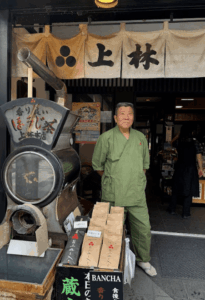
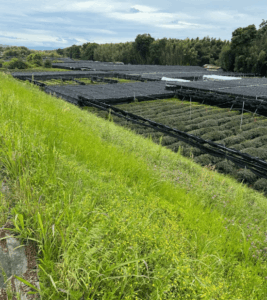
Japan is famous for green tea and what better way to learn more than to visit farms and traditional tea roasting and matcha making locations in Kyoto. Learn all about the process, flavours, and history behind the importance of green tea and matcha of Japan, specifically in Uji, Kyoto. Your journey begins as you cycle through the incredible rolling fields, viewing all stages of the different teas and their shading. Stop by and connect with people who have made this craft their life’s work. It’s an incredibly scenic and informational experience, one fit for a bucket list.
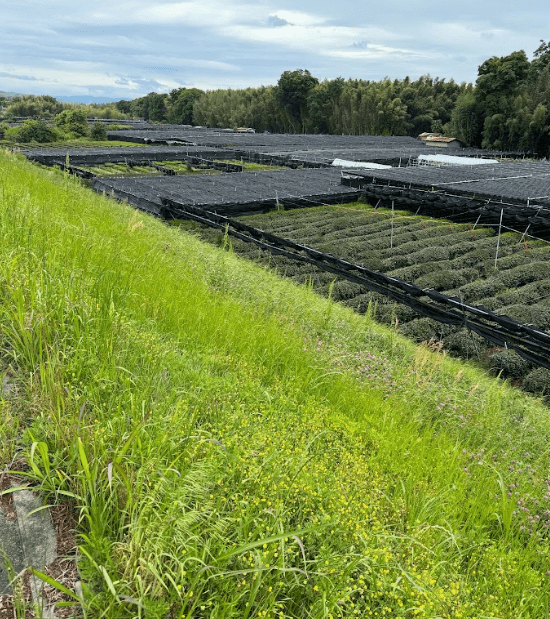
One unique feature you’ll notice when cycling past tea fields is the large black coverings or tea shading. Originally, in the winter months in Uji, Kyoto, tea farmers in the 15th-16th century realized the cold wind harmed the tea plants. To combat this, they started what is known as tea shading. Tea shading, also known as Kabuse, is done when new sprouts appear in the soil, to change the taste and appearance of the tea, resulting in a more umami, and less bitter flavour profile– which is how matcha was accidentally discovered! When speaking about tea shading, that process is what sets matcha versus green tea apart. Green tea is typically shaded for 2 to 3 weeks, resulting in a slightly more bitter taste compared to matcha. Matcha on the other hand, is shaded for longer– about 4 weeks. This creates “stress” for the plants, and they store their natural sugars and chlorophyll, which results in that iconically sweet-umami flavour matcha is known for, health benefits– and the bright green colour that is portrayed all over in matcha-based confectionaries.
Now that we have the history in our pocket, we are able to enjoy the wide variety of green tea and matcha flavored treats sprinkled all over Japan including Uji. If you would like to further your knowledge and tasting experience on the world famous tea, there are a a few local spots in Uji to keep in mind.
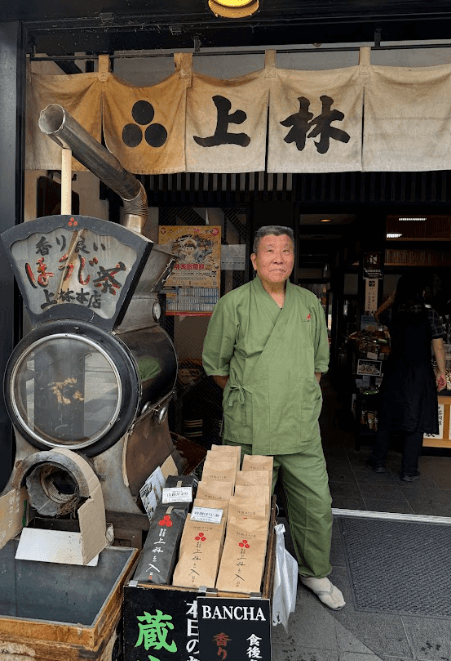
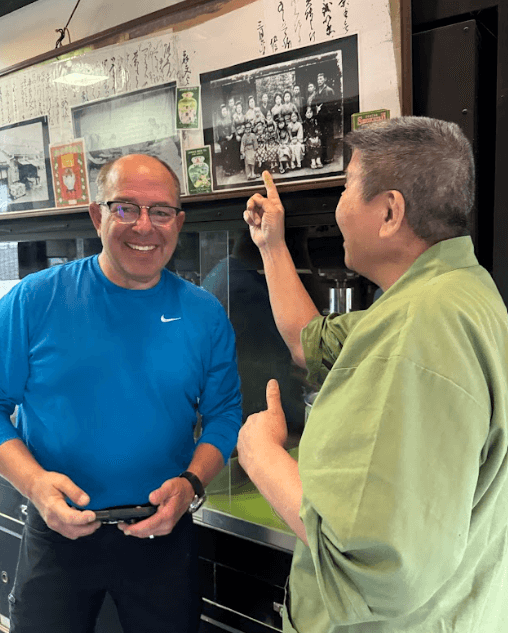
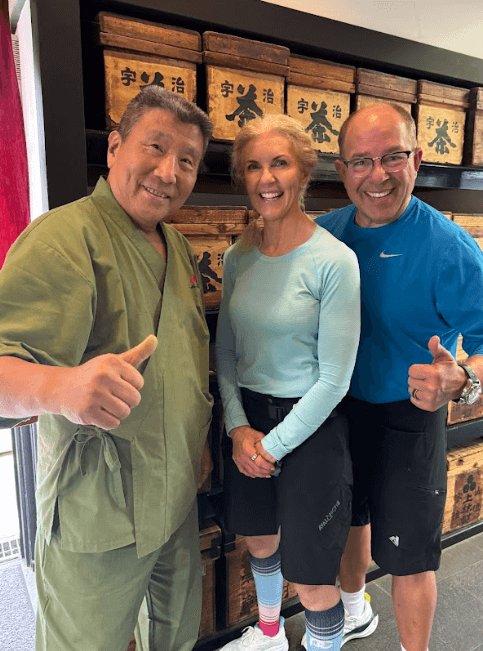
Visit Mitsuboshien-Kanbayashisannyu-Honten, a tea house that is run by a 16th generation proprietor, and everyone there is incredibly passionate about their craft. This experience will broaden your knowledge -and taste buds- to the history behind Uji’s tea harvesting.
Another informative and tasty location is Itoh Kyuemon. They have several branches found within the area of Uji, accessible by both bike and train. You can find a matcha curry udon, matcha ice cream, and even a matcha themed dessert plate to satisfy anyone’s sweet tooth. Namakura Tokichi is another stop to add to your trip. Known for their Matcha Maruto Parfait, which you can only get there. It is served in a bamboo container, which is perfect for pictures sent home. It is made with white chocolate, raspberry chocolate cream and a smooth matcha jelly– unlike anything you will find anywhere else. These confectionaries are typically available from October to May, as that is when harvesting is most prevalent. So let the joy of cycling fuel your travels, and be sure to visit to learn all about Japan’s tea culture
The Osaka World Expo is on until October 13, 2025. Discover the world and the future in a day.
The World Exposition or Banpaku in Japanese is held every five years in a different country around the world. It began in 1851 in London, with the purpose to share the latest in culture, economy and technology between nations. This year it is taking place in Osaka, Japan. This is the second time that Osaka has hosted the world event, the last time was in 1970. This year the theme is “Designing Future society for our Lives”. This theme allows for a broad range of interpretations by the 150 participating nations providing something for everyone.
The world’s largest wooden architectural structure was built for this Expo. A wooden ring around the grounds that is 2,025 meters in circumference, 30 meters in width and ranges from 12 to 20meters high. You can walk on the upper deck, providing a great view of the grounds below. This structure took over a year to construct.
The rest of the grounds are filled with pavilions from around the world. The incorporation of nature, culture and technology is intertwined into each pavilion and is an experience for the senses. There are also common areas that house multiple smaller nations, offering information about the country and various experiences for visitors.
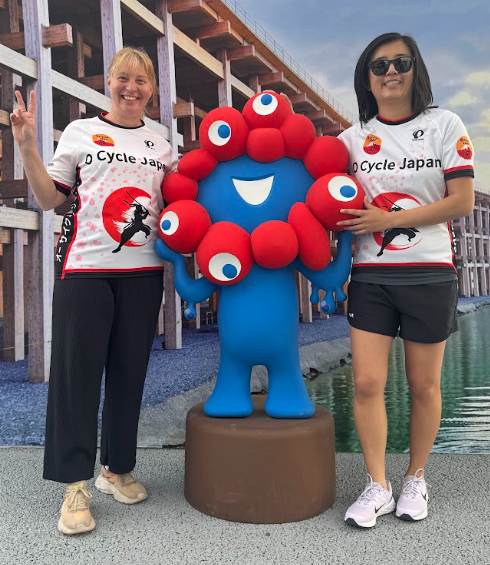
There are free water fill stations, as well as vending machines for refreshments. Bring a small hand towel to dry your hands after washing at the toilets, no hand dryers or paper towels are provided, as is common in Japan. There are many food venues found within the grounds or you can bring in your own snacks and food. Wear comfortable walking shoes it is a huge facility and there is so much to see, especially if you have various reservations and need to move from one end to another. Consider the evening light shows when applying for reservations for some of the venues. Try to get a place on the upper ring to watch the final light show. Be sure to say hi to Myaku-Myaku the official mascot of 2025 Osaka Expo.
The Osaka Expo will run from April 13 to October 13, 2025. You can get a full day, evening ticket or if you are staying longer summer or season passes are available. Once you have your ticket and the day you will attend you can apply for entrance times into specific popular venues by a lottery. Many offer walk-in traffic, these can have long wait times. https://www.expo2025.or.jp/en/
Myaku-Myaku the mascot of Osaka Expo2025
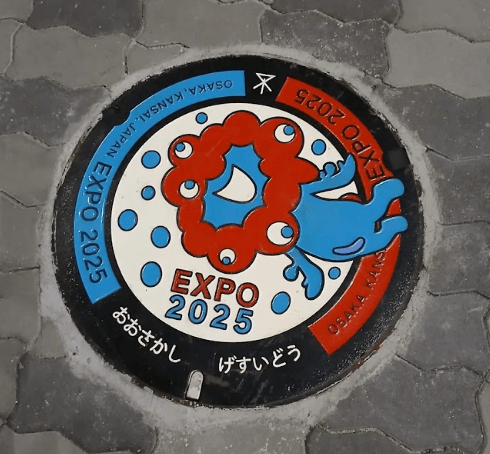
Created by Kohei Yamashita a children’s book illustrator. Myaku means ‘pulse’ and by repeating the word it refers to the continuation of life. The blue body represents water and its shape is fluid. The ring of red ‘cells’ some with eyes surrounds the water. Images and the physical mascot can be found everywhere in the grounds.
Expo mascot Myaku-Myaku
Want to hear more?
Subscribe to our Newsletter for the newest updates!
Subscribe to get a FREE introductory package on what O Cycle Japan has to offer and be the first to know about new tours and dates!